Biologics are becoming increasingly viscous and difficult to inject.
We're making next-generation medicines accessible to patients.
Core annular flow surrounds the viscous drug product with a thin, low-viscosity fluid that shields it from the needle wall. Because the drug never contacts the wall — where the shear is highest — the force needed to inject it is set by the low-viscosity fluid rather than the drug's own viscosity.
This breaks the conventional relationship between viscosity and injection force. Force stays low and nearly flat even at extreme concentrations, enabling low-force delivery of ultra-high-concentration formulations that a standard syringe could never push through a fine needle.
Turn hours-long hospital infusions into 10-second injections at home.
Co-deliver two formulations in a single injection.
Unlock higher doses and drug conjugation to reduce injection frequency.
Reduce injection volume and time without compromising complexity.
Carry candidates forward that viscosity would otherwise have ruled out.
The CO-AXL hub is a universal single-component device that adapts any primary container for user-friendly administration.
Deliver formulations up to 400 mg/mL and over 1,000 cP — including non-Newtonian gels and suspensions.
No particle reformulation, and no new compounds — with the drug buffer as the saline solution.
One device across your entire portfolio — any molecule, volume, indication, and route of administration.

Our team started CoFlo with a simple goal — make life-saving therapies easier to give and easier to get.

During his MIT PhD, Simon uncovered the fundamental fluidic phenomena that stabilize core-annular flows and built the prototypes behind CoFlo's platform. He draws on prior engineering experience at SpaceX and JPL to lead scale-up and commercialization.

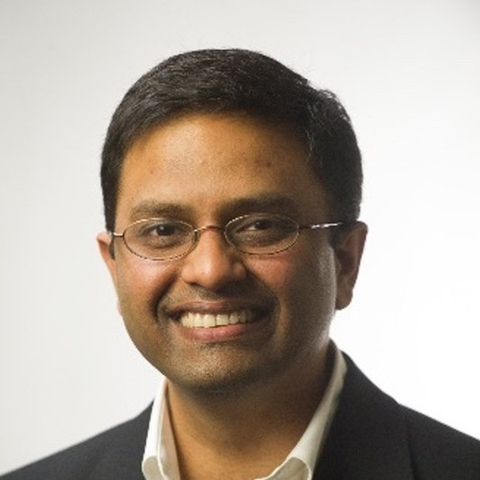
Vishnu is an experienced startup executive, having founded and lead several ventures including AgZen, where he scaled RealCoverage, a first-of-its-kind vision system for adjuvant spraying, to over 1 million acres internationally. Vishnu completed his PhD at MIT in interfacial phenomena, where he lead the development of early core-annular flow injectors.

Kripa is an MIT Professor of Mechanical Engineering whose work on interfacial phenomena has driven innovations in the medical, energy, water, and agriculture industries. He was previously a lead researcher and project leader at GE Global Research, and has co-founded several startups earning numerous awards.

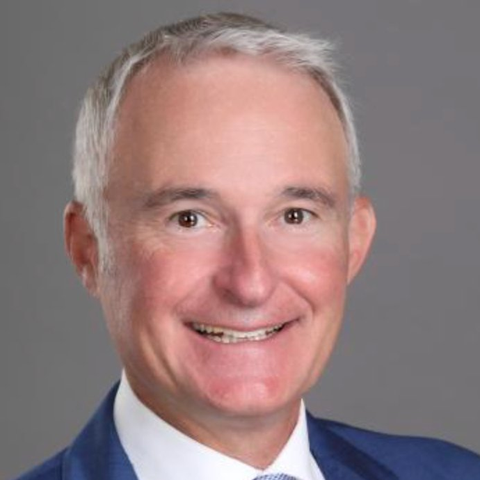
Matt was the founding Chief Medical Officer of the Defense Innovation Unit, where he accelerated commercial technology into the hands of service members. He is a practicing physician with Johns Hopkins, and at Stanford Children's Health where he is an Clinical Assistant Professor of Pediatric Gastroenterology. He is a Partner at J2 Ventures.

Dr. Moshfeghi is Professor of Ophthalmology and Chief of Retina at Stanford's Byers Eye Institute. He founded Stanford's vitreoretinal surgery fellowship and established SUNDROP, a telemedicine program for retinopathy of prematurity screening. As a practicing vitreoretinal surgeon, he brings direct experience with ophthalmic procedures and intravitreal delivery, along with experience in clinical trial oversight, steering committees, and ophthalmology product development.
MIT's flagship competition names one Grand Prize winner each year — the venture judged most promising across the Institute.
Fierce Pharma on the core-annular approach to viscous drug delivery.
Read the feature →
"Enhancing the Injectability of High Concentration Drug Formulations Using Core Annular Flows"
Read the paper →